Key takeaways
- Measured practice replaces guesswork after every swing.
- Club path, attack angle and launch angle help you diagnose misses faster.
- The same device can serve range practice, home practice and simulator play.
From Guessing to Measured Practice
A lot of range practice feels productive because you are working hard. The missing piece is feedback. Without data, you can repeat the same miss for an hour and still leave unsure what changed.
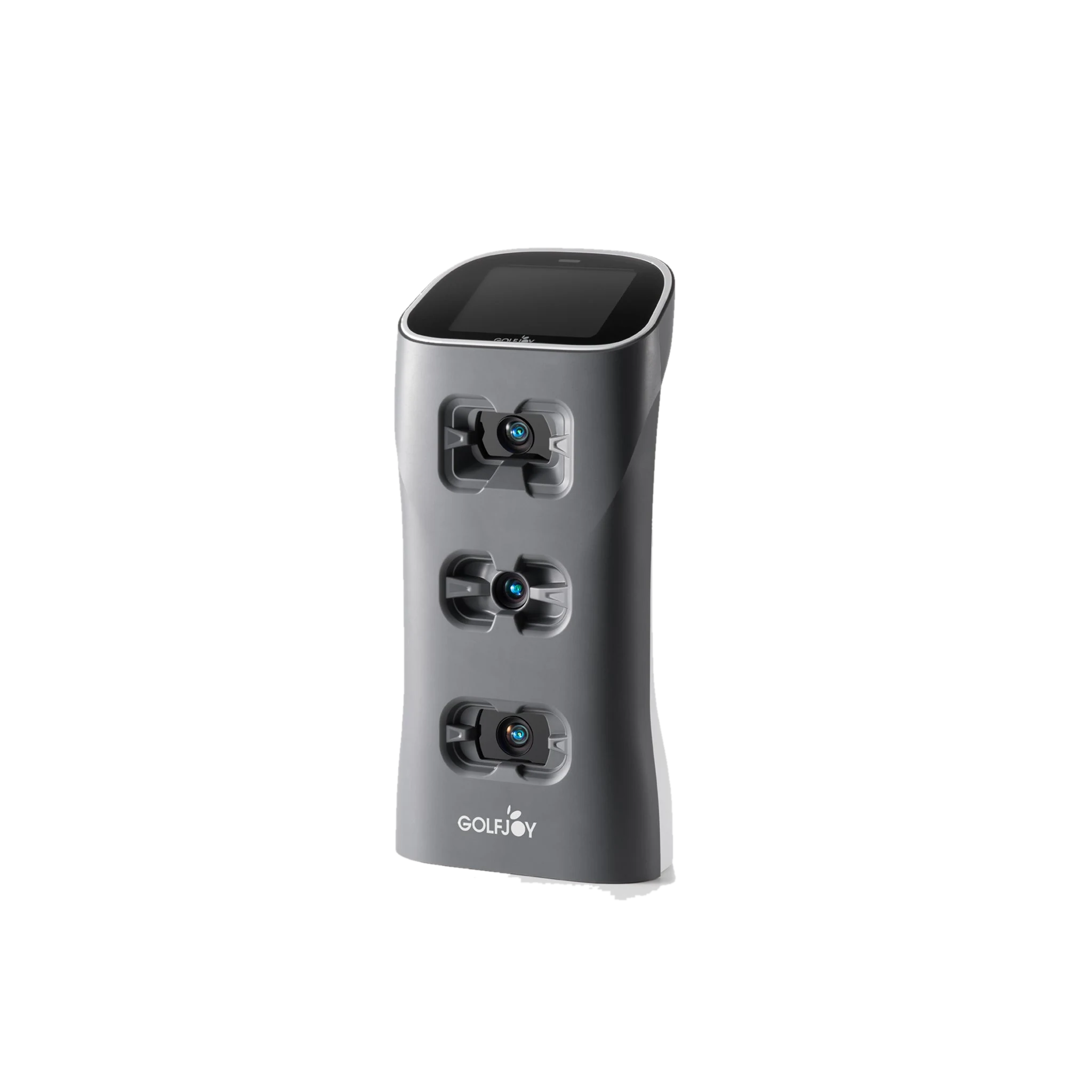
Spica 3 puts numbers in front of you after every swing, so the next rep is smarter than the last.
The Numbers Worth Watching
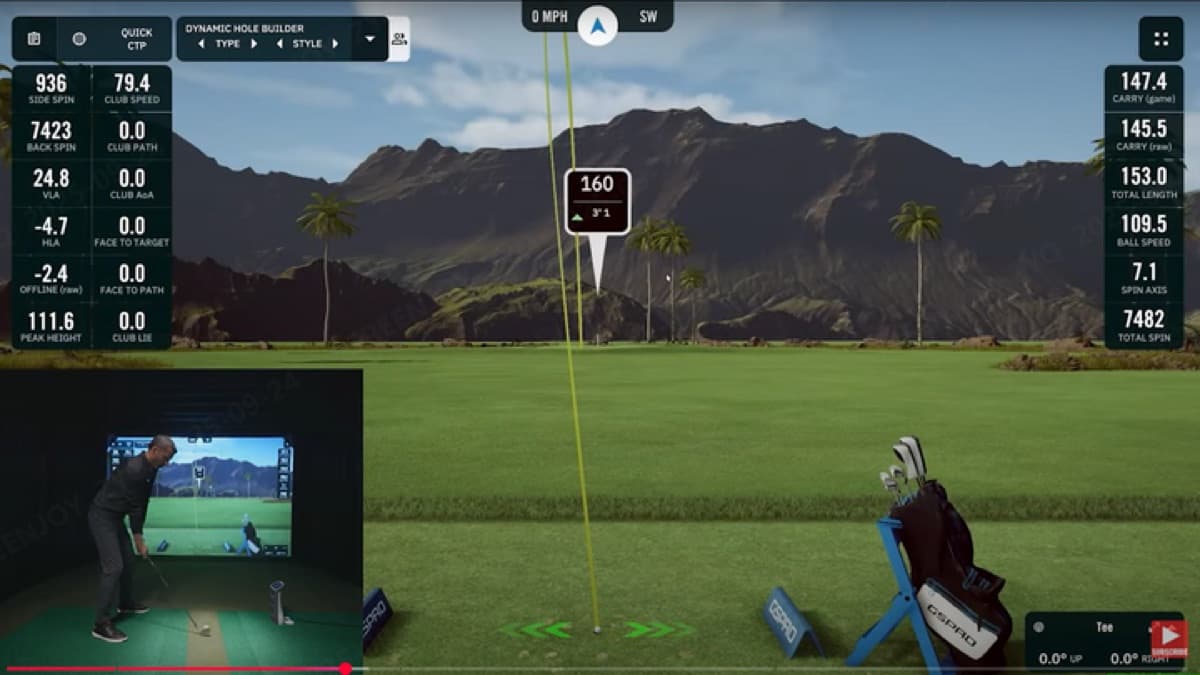
Spica 3 reports data you can act on quickly, including club path, attack angle, launch angle, spin rate and carry distance.
Carry distance deserves special attention. Many amateurs choose clubs from memory, estimates or a few good shots. A measured gapping session makes approach play more honest.
Three Use Cases
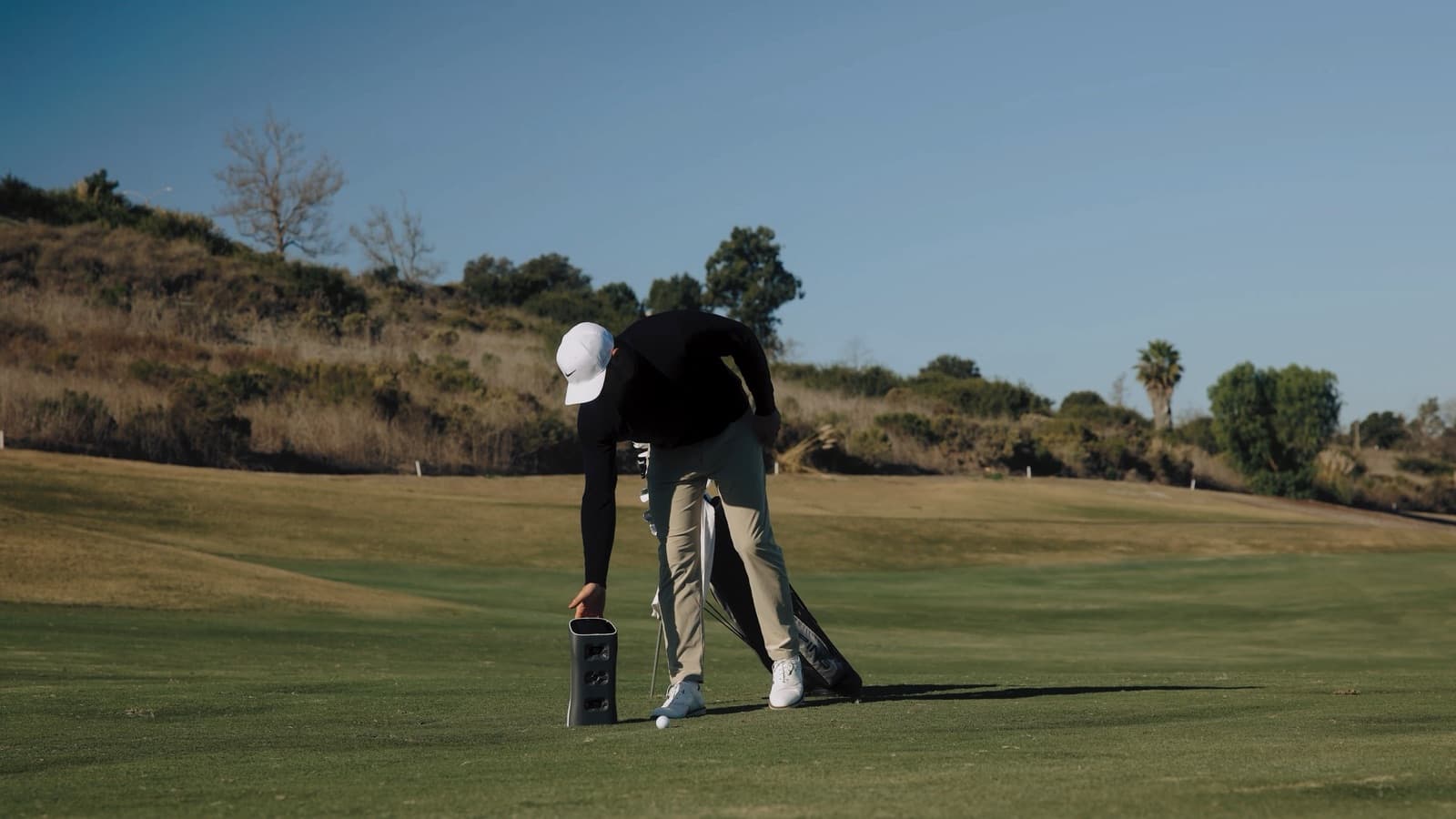
- At the range, you see patterns as fatigue, club choice and intent change.
- At home, Spica 3 becomes the measurement engine for a simulator bay.
- In coaching, the numbers connect a swing change to a ball-flight result.
Why Portability Matters
A permanent room is ideal, but not everyone starts there. A portable launch monitor lets you build a data habit before committing to a full enclosure.
That makes Spica 3 a strong first step if you may later grow into a P8 or a dedicated indoor bay.
Next step
Compare your room, budget and practice goals with the GOLFJOY setups that fit them.